
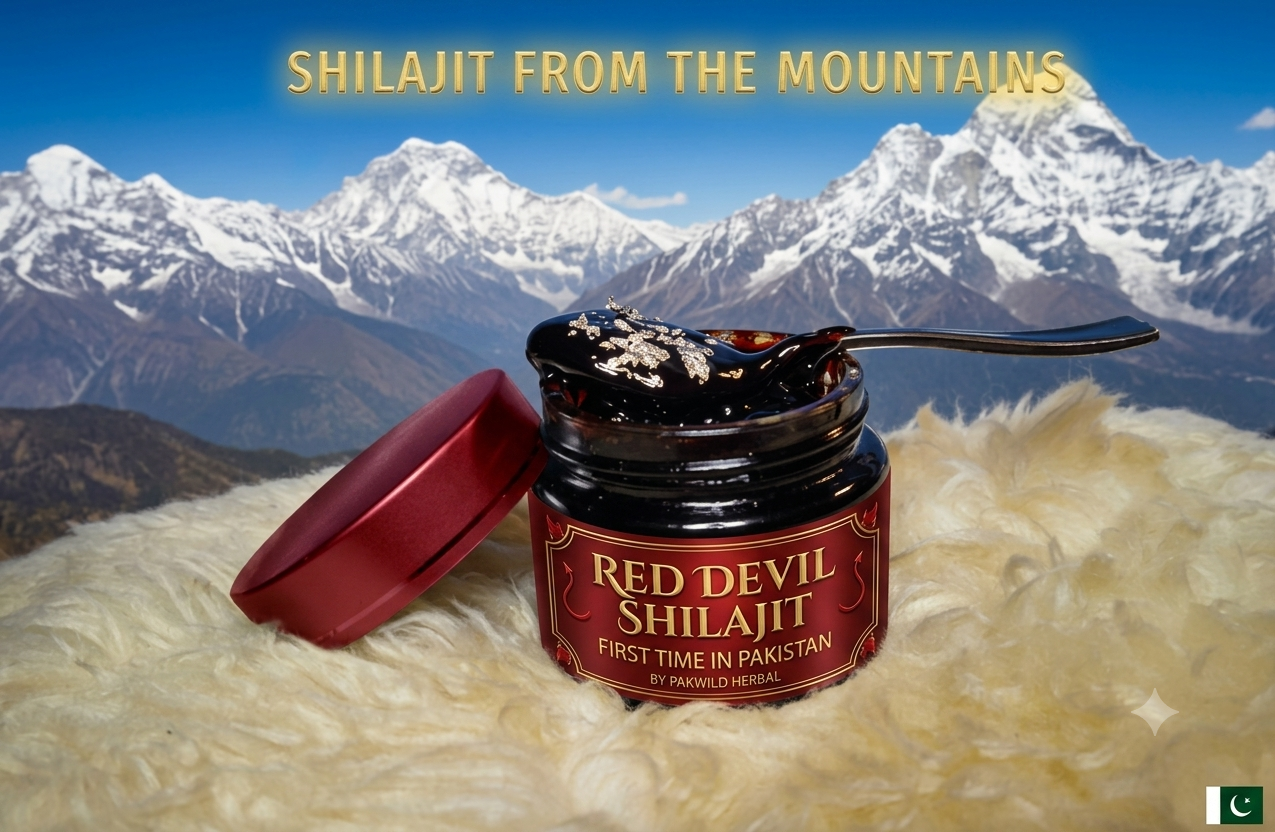
The term “Himalayan resin” is often used interchangeably with shilajit, referring to the mineral-rich substance formed naturally within the rock layers of the Himalayan mountain range. This guide explores what makes Himalayan resin unique.
What Is Himalayan Resin?
Himalayan resin forms over centuries as plant matter decomposes under immense pressure between rock layers high in the Himalayan mountains, resulting in a mineral-dense, tar-like substance known as shilajit.
Why the Himalayan Source Matters
High-Altitude Mineral Concentration
The unique geological conditions of the Himalayas are believed to contribute to a particularly rich mineral and fulvic acid profile.
Centuries of Traditional Use
Himalayan shilajit has a documented history stretching back centuries in Ayurvedic and regional traditional medicine practices.
Purity Considerations
Authentic Himalayan resin requires careful purification to remove impurities picked up during natural formation.
Choosing Authentic Himalayan Resin
Look for sellers like PakWild who source authentic Himalayan and Karakoram resin and provide transparency about their purification process.
Frequently Asked Questions
Is all shilajit from the Himalayas?
No, shilajit is also found in other mountain ranges like the Altai and Andes, though Himalayan sourcing is among the most well-known.
Is Himalayan resin better than other sources?
Quality depends more on purification and authenticity than the specific mountain range, though the Himalayas have a long traditional reputation.
How is Himalayan resin harvested?
It’s typically collected from rock crevices at high altitudes and then purified to remove impurities before use.
What does authentic Himalayan resin look like?
It’s typically dark brown to black, with a sticky, tar-like consistency, and should dissolve completely in warm water.
Related reading: Original Shilajit Resin, Pakistani Shilajit, and Pure Himalayan Shilajit vs Fake Shilajit.