
Shilajit has become one of Pakistan’s most talked-about natural wellness ingredients, but many people still aren’t sure exactly what it is or where it comes from. This beginner’s guide breaks down everything you need to know about Shilajit in simple, easy to understand language, so you can decide if it’s right for you.
What Is Shilajit?
Shilajit is a sticky, tar-like substance that slowly seeps out from cracks in high mountain rocks such as the Himalayas, Karakoram, and Hindu Kush ranges, including the Gilgit-Baltistan region of northern Pakistan. Locally it is sometimes called “salajeet” or “aftabi salajeet.” It forms over centuries as plant and organic matter gets trapped between rock layers and slowly breaks down under natural pressure, heat, and time.
How Is Shilajit Formed?
High in the mountains, seasonal temperature changes cause rocks to expand and contract. Over hundreds of years, decomposed plant matter seeps through these rock layers, mixing with minerals from the surrounding stone. During the warmer summer months, this thick resin oozes out of rock crevices, where it is traditionally collected by hand, cleaned, and purified before it reaches the consumer.
What Does Shilajit Contain?
Raw Shilajit is rich in fulvic acid and humic acid, along with a range of naturally occurring minerals and trace elements. Fulvic acid is often highlighted in wellness circles because it acts as a carrier molecule, helping the body’s cells absorb nutrients more efficiently. Genuine Himalayan Shilajit typically contains a broad mineral profile, which is one of the main reasons it has been valued in traditional practices for generations.
Traditional Uses of Shilajit
In traditional Ayurvedic and regional wellness practices, Shilajit has long been used as a general tonic to support energy, stamina, and everyday vitality. It has traditionally been taken by people looking to support healthy aging, physical performance, and overall wellbeing as part of a balanced lifestyle. It’s important to note that Shilajit is a dietary supplement, not a medicine, and it is not intended to diagnose, treat, cure, or prevent any disease.
Forms of Shilajit: Resin, Capsules, and Powder
Shilajit is commonly available in three forms. Raw resin is the most traditional and least processed form, usually taken by dissolving a small pea-sized amount in warm water or milk. Capsules offer a convenient, pre-measured option for people who dislike the taste of raw resin. Powder form is also available and can be mixed into drinks. Each form has the same core benefits; the choice usually comes down to personal preference and convenience.
How to Identify Pure, Authentic Shilajit
Because Shilajit has grown in popularity, the market has unfortunately seen an increase in low-quality or fake products. Genuine resin should be dark brown to black, should soften when warmed between your fingers, and should dissolve completely in warm water without leaving grit or foam residue behind. For a full step-by-step home test, read our detailed guide: How to Test If Shilajit Is Original at Home.
Who Should Be Cautious About Taking Shilajit?
While Shilajit is generally well tolerated by healthy adults, pregnant or breastfeeding women, children, and individuals with existing medical conditions or those taking prescription medication should speak with a doctor before use. Always choose a purified, lab-tested product, as unprocessed Shilajit sourced without proper purification can contain impurities.
Why Choose PakWild Shilajit?
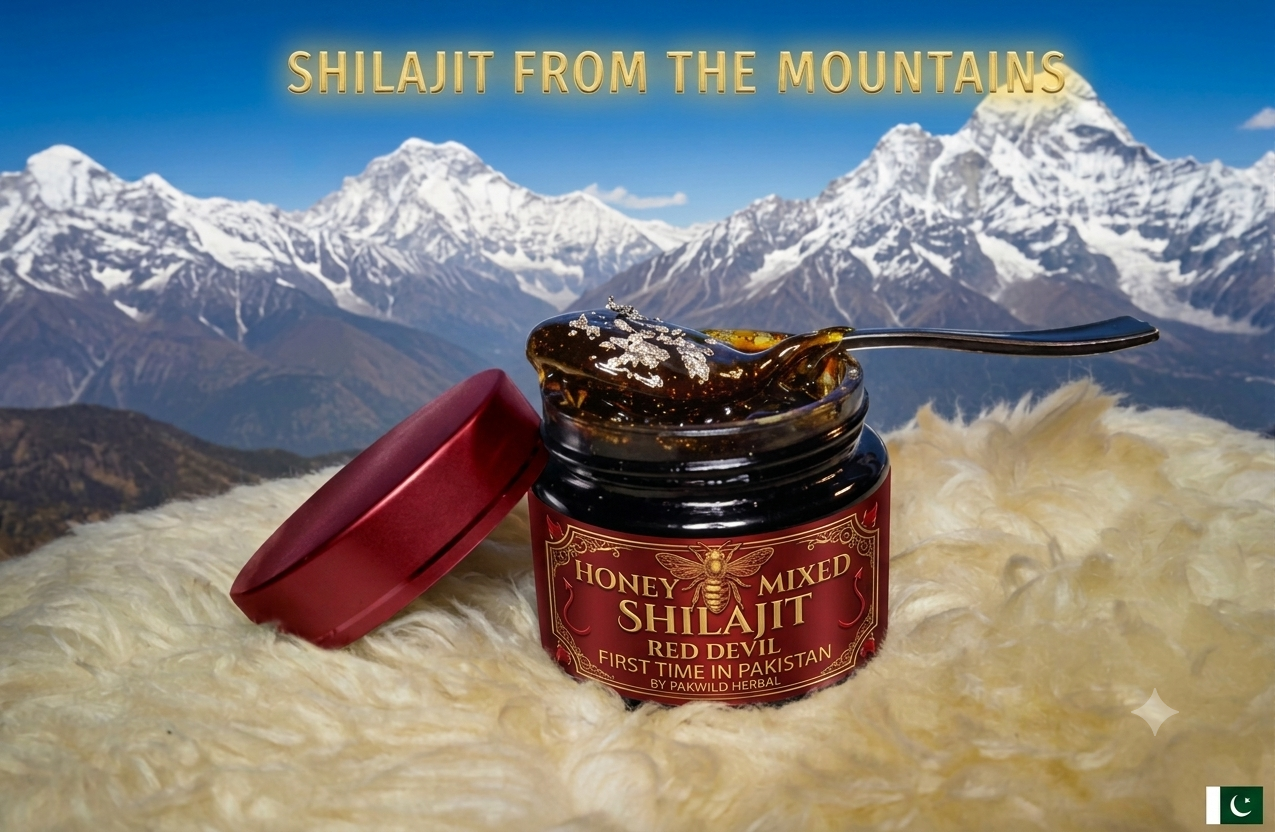
PakWild sources its Shilajit resin directly from the Gilgit-Baltistan mountains and purifies it using traditional methods before packaging. Our popular Red Devil Honey Mixed Shilajit combines pure Himalayan resin with natural honey for easier daily use. You can view the full product details on our Pure Himalayan Shilajit product page.
Frequently Asked Questions
Is Shilajit safe for daily use?
Most healthy adults can use purified Shilajit daily in small, recommended amounts. As with any supplement, it’s best to start with a small dose and consult a healthcare professional if you have any underlying health concerns.
What does Shilajit taste like?
Pure Shilajit resin has a strong, earthy, slightly bitter taste. This is why many people prefer honey-mixed blends like PakWild’s Red Devil Shilajit, which makes it easier to take daily.
How long does a jar of Shilajit last?
Since only a small pea-sized portion is used per serving, a standard jar typically lasts one to two months with regular daily use.
Can beginners start with a small dose?
Yes, beginners are generally advised to start with a smaller portion than the standard serving size to see how their body responds, then gradually adjust as needed.
Final Thoughts
Shilajit is a natural mineral-rich resin with a long history of traditional use across the Himalayan region. Whether you’re curious about its origins or ready to try it for the first time, choosing a pure, lab-tested product is the most important step. Explore more on our blog, including our Shilajit Price in Pakistan guide and Best Shilajit in Pakistan guide, to learn more before you buy.